
Brown Boundary Fencing
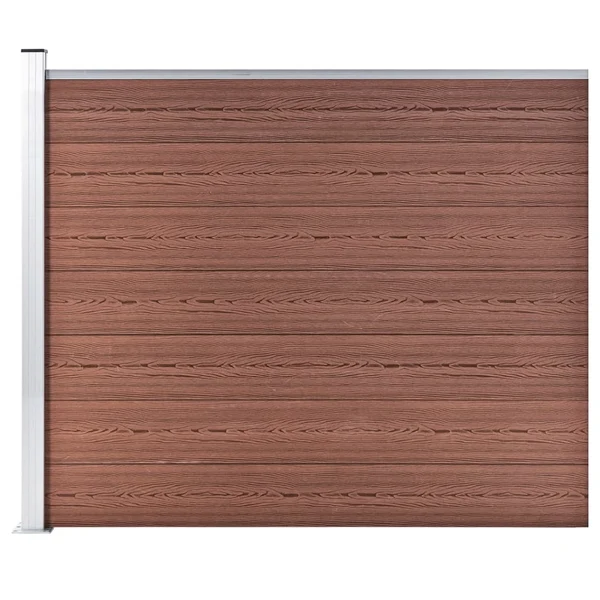
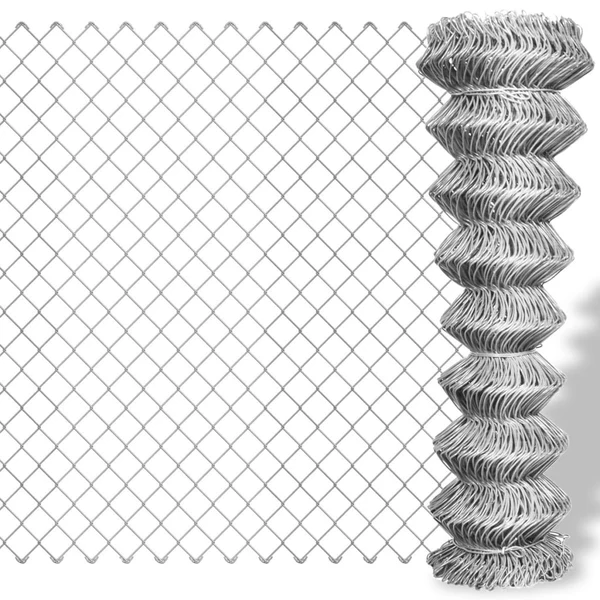
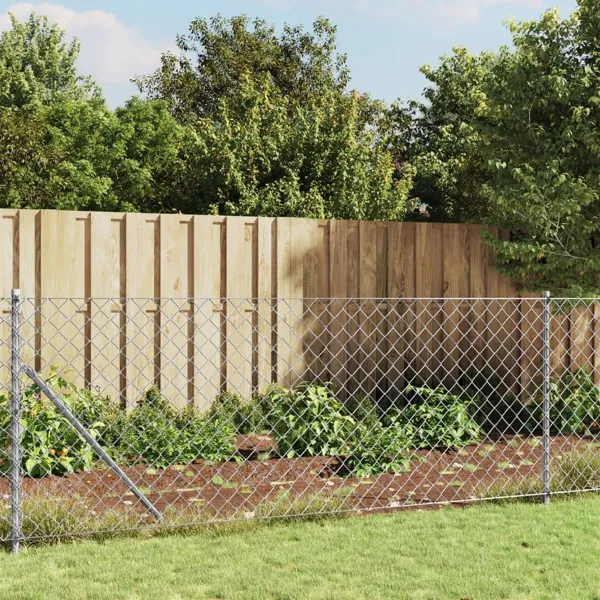
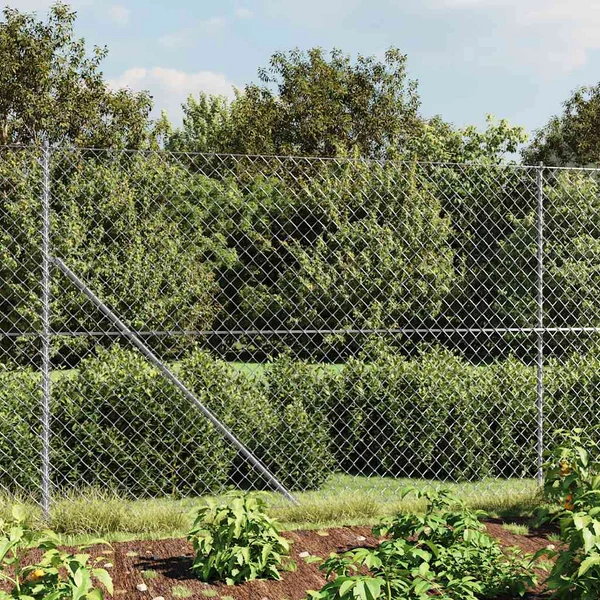
Brown Boundary Fencing: how to match the shade, what finish does to colour and what to check before choosing. Two-tone and patterned designs are easier to match if one of their colours already appears in what you own.
Before you choose
The shared trait narrows the field. The details still decide. Here is what to compare once you know the type you need.
01
Clear specifications
All displayed prices include VAT where applicable.
02
Practical fit & materials
Ranges are grouped by product type and compatibility so matching items sit together.
03
Transparent product details
Check key specifications, options, and care details directly on each item page before choosing.
How to choose
- Use small coloured details, such as trims or edges, to tie things together.
- Check whether the shade leans warm or cool, and match the undertone to what you own.
- Step back to see every colour of this kind together: Boundary Fencing.
- Consider how much the colour will stand out, and whether you want it to.
Frequently asked questions
Are colour names standard between makers?
No: makers name colours in their own way, so judge brown boundary fencing by the actual shade rather than the name.
Can this shade vary between batches?
Slight differences between batches are common, so if you want brown boundary fencing to match exactly, choose them together rather than at different times.
Does this colour make a good gift?
If you know the recipient likes this colour, brown boundary fencing can make a thoughtful gift; if not, check which colours they already wear or use.
How do patterns and two-tone designs affect matching brown boundary fencing?
With patterned or two-tone brown boundary fencing, matching is easier if one of the colours already appears in what you own.