
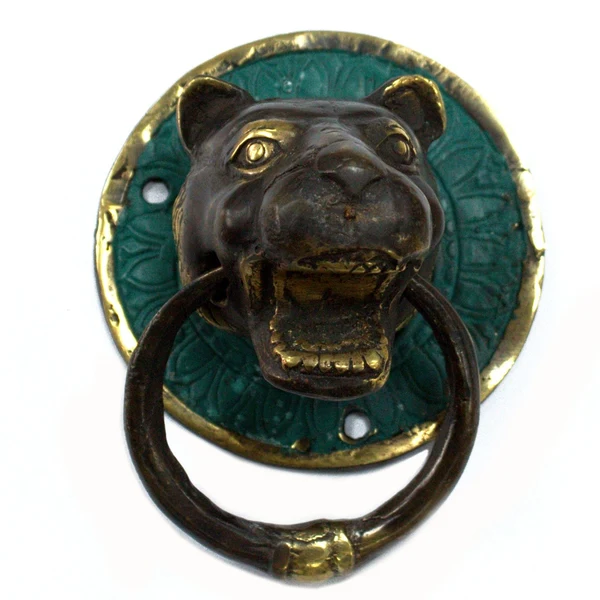
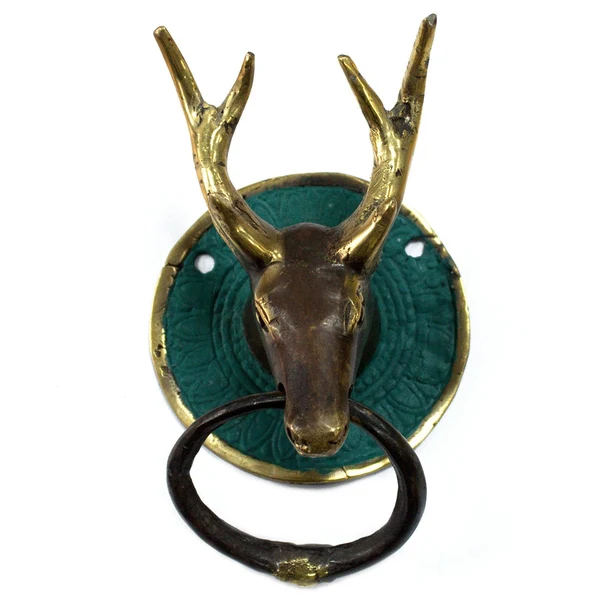
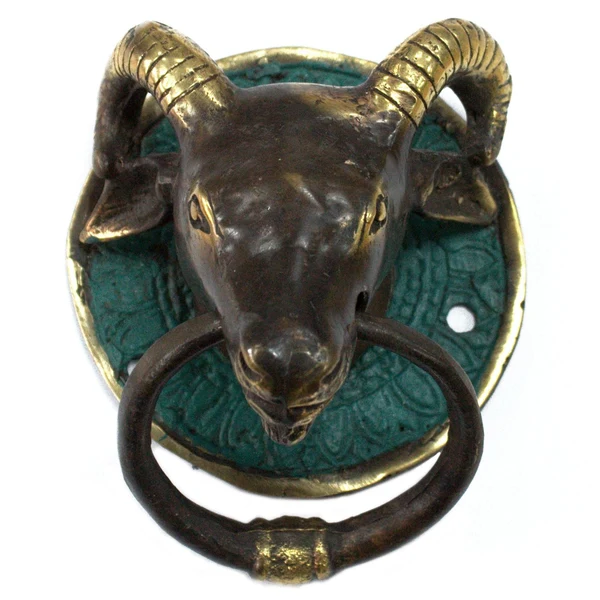
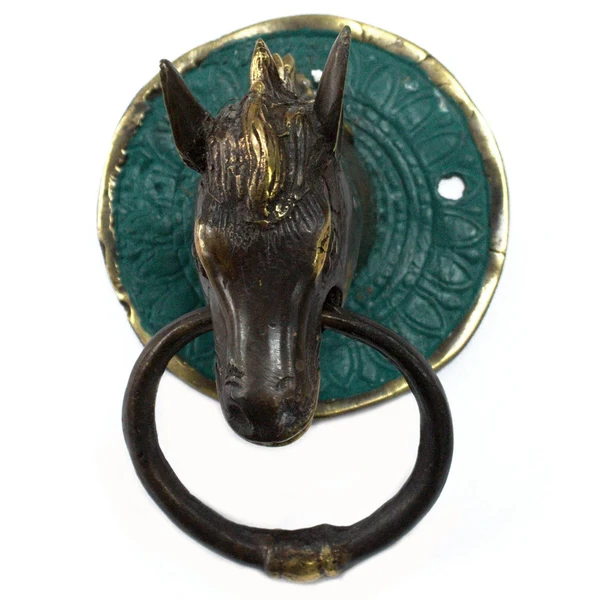
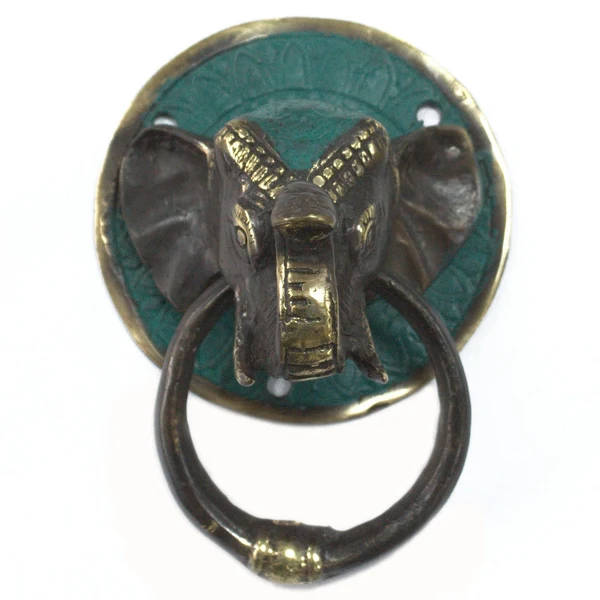
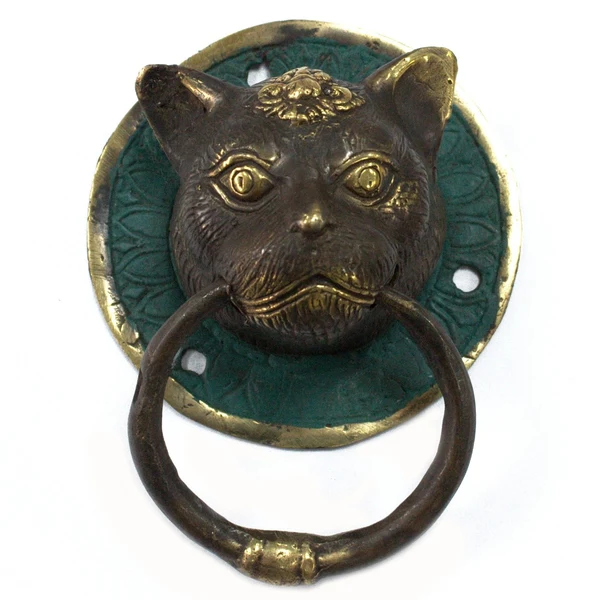
Door knockers can mean quite different things, so it pays to separate the main types before comparing the finer points. Think about the wider set-up too, and how door knockers will work with related kinds: Shelf Brackets, Wall Coat Hooks, Wood Screws, Sliding Door Hardware and Rolling Ladder Tracks.
How to choose
- Track length and door width: Choose a sliding door rail roughly twice the door leaf width so the panel clears the opening cleanly without hitting wall trims.
- Wall substrate and fixings: Match mounting brackets, structural screws and silicone sealants to masonry, timber stud or composite frames before drilling.
- Think about how often it will be used: daily use calls for sturdier construction than occasional use.
- Weigh look and function together; something you like the look of is more likely to be used.
Frequently asked questions
How should I maintain sliding door rollers and tracks?
Wipe dust from the steel track channel periodically with a dry cloth and check wall bolts stay snug so rollers glide quietly.
Can I fit a sliding door hardware kit to cabinet doors as well as full-height doors?
Mini carbon-steel sliding kits use lighter rollers and slimmer rails engineered specifically for kitchen cupboards, media units and pantry doors.
How do the main types of door knockers differ?
Types of door knockers differ in shape, size, material and the job they are designed for, so compare them on those points rather than on the name alone.
Should I buy door knockers as a set or singly?
A set of door knockers keeps everything matching; buying one at a time lets you mix materials and colours and add to what you have as you go.
What signs of good making should I look for in door knockers?
Look for clean joins, even finishing and edges or seams that feel smooth; in door knockers, small details like these say a lot about how carefully something was put together.